
Monday Miscellany: A perfect balance of high stakes and hilarity
Notes from May 4 - 10

Hello, friends! It’s been an atypical start to the week for me (more on that at the end of the newsletter), but I can’t complain too much because I’ve gotten to spend most of the day out on the front porch, writing while bundled in a blanket against the drizzly chill. Plus, there’s coffee. And cats. And books. Life is chaos but we’re out here existing nonetheless. ♥︎
The week in books
Here’s a silly little fact about me: I never found a new dentist when I moved away from home. So every six months I drive an hour over to Durham for the day; my parents and I schedule our dental cleaning appointments back-to-back-to-back in the morning, then we go to lunch together and hang out for a few hours before I have to return home. This time, my IRL book club (which meets in the Durham / Chapel Hill area) happened to schedule our meeting for that same evening, which meant I didn’t have to rush back to Winston and could instead linger a little longer in my childhood home. Guess how I spent a good chunk of that extra time? Yep, finishing the book for said book club meeting. I felt like a kid again, slouched in one of the living room chairs turning page after page while the rhythms of the house hummed pleasantly in the background, Mom quietly balancing her checkbook,1 Dad doing puzzles on his phone and occasionally popping out to work in the garden or look for their cat.
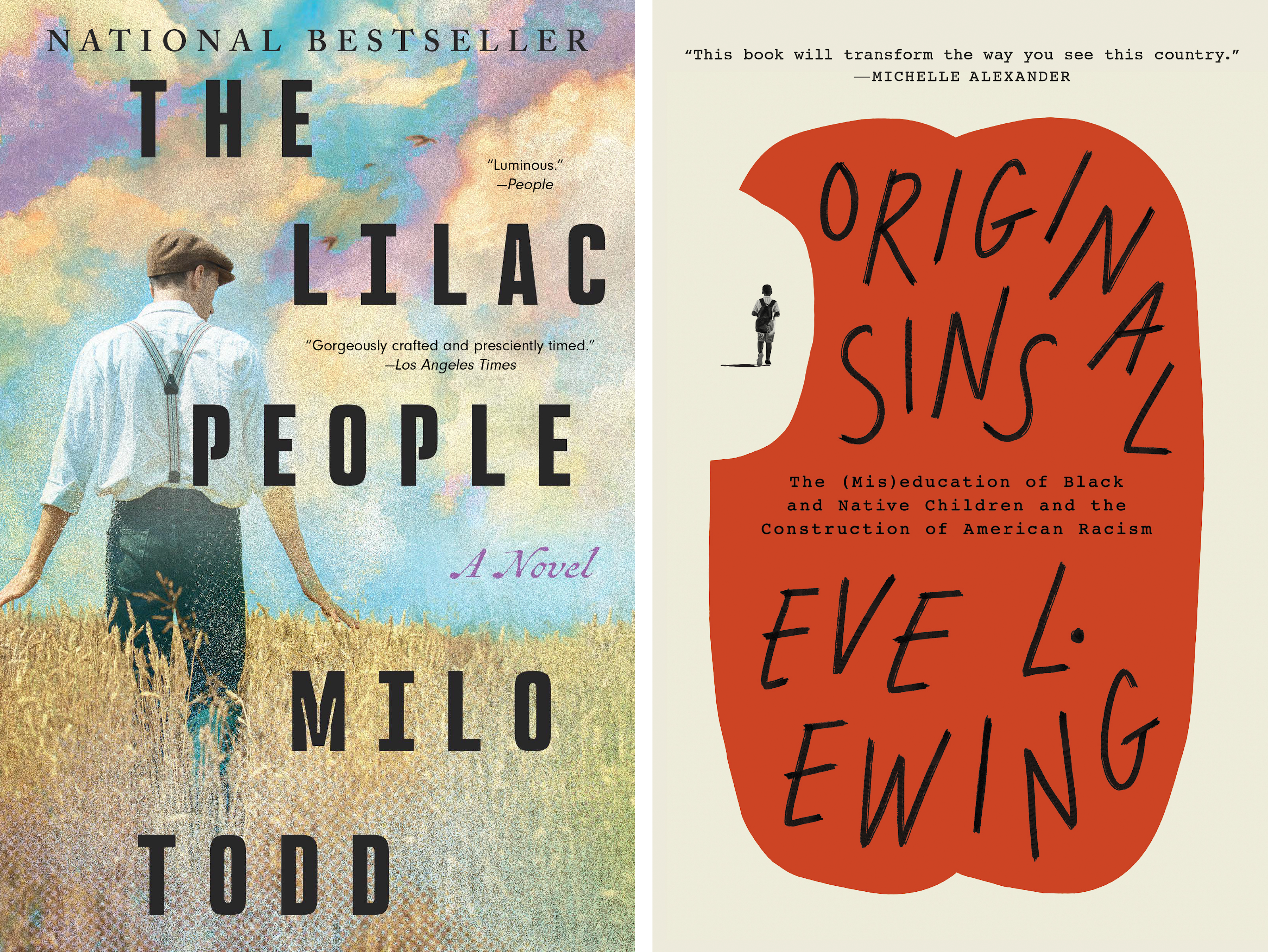
As for the book in question, The Lilac People by Milo Todd is historical fiction about trans and queer folks in Germany during World War II. There are two timelines: one in 1933 pre-war Berlin and the other in the smaller city of Ulm, 1945, as American soldiers are liberating the camps. Main character Bertie is a trans man2 who works for Dr. Magnus Hirschfeld at the Institut für Sexualwissenschaft (Institute for Sexual Science). After Hitler is named chancellor, work camps are established, and things start getting bad for Bertie and his friends—culminating in the Night of the Long Knives and the looting of the Institute3—he flees with his partner, Sofie, to a farm in Ulm where they might safely wait out the war. In the 1945 timeline, we see them still there when the end is declared, their routine upended by the appearance of a younger trans man named Karl who has escaped Dachau.
There’s a bit of a mystery element here. We meet Bertie’s best friend Gert in the earlier timeline and we know that the farm in the later one belonged to Gert’s grandparents, but something has happened to Gert for which Bertie feels a sense of guilt. I won’t spoil the reveal, but I will say that it wasn’t in proportion with the buildup and narratively felt like a bit of a letdown. The pace also dragged in the middle and I wish Todd had used the pages to round out his characters, some of whom were lacking in dimension, more fully. But small quibbles aside, it was exciting to learn about a well-documented period of history from a new angle. I always love when a novel sends me down Google rabbit holes, and this one definitely did that.
The other book I finished this week was one I’d been very slowly chipping away at for three or four months. When I reached my last allowed library loan renewal, I knew it was finally time to knock it out. Original Sins by Eve L. Ewing is about, as the subtitle perfectly summarizes, “the (mis)education of Black and Native children and the construction of American racism.” It’s been on my radar since it was featured on The Stacks in February 2025 and I got an extra push to pick it up when Greta Johnsen chose it for her book club earlier this year, but it proved to be more of an endeavor than I expected.
Don’t get me wrong, this is a very thoroughly-researched and well-written book and the subject matter is fascinating and important! Ewing opened my eyes to a lot of ideas I hadn’t considered before and I learned a lot about how American schools of today came to be. I guess I just wasn’t prepared for the density of information. There are numerous endnotes, some quite long, and the whole thing reads more like a textbook than the type of narrative nonfiction I normally gravitate toward. I recommend this one, especially for educators and parents, but I do advise the “small chunks” approach if you, like me, don’t have a brain for name- and date-heavy history.
Right now and upcoming
I’m in the middle of Can’t Even: How Millennials Became the Burnout Generation by Anne Helen Petersen and finding it equally compelling and horrifying. On one hand, affirmation: it’s not just me! But on the other, despair: our systems of employment in this country are completely wrecked!
Gretagram book club is reading T Kira Madden’s new novel, Whidbey, this month and I recently got a digital copy from the library, so I think that will be next for me.
What are you reading or looking forward to picking up soon?
If you purchase a book through the bookshop.org affiliate links in this post, I earn a small percentage commission. This is an easy way to support my work at no additional cost, and I appreciate it very much—thank you! ♥︎
The week on screen
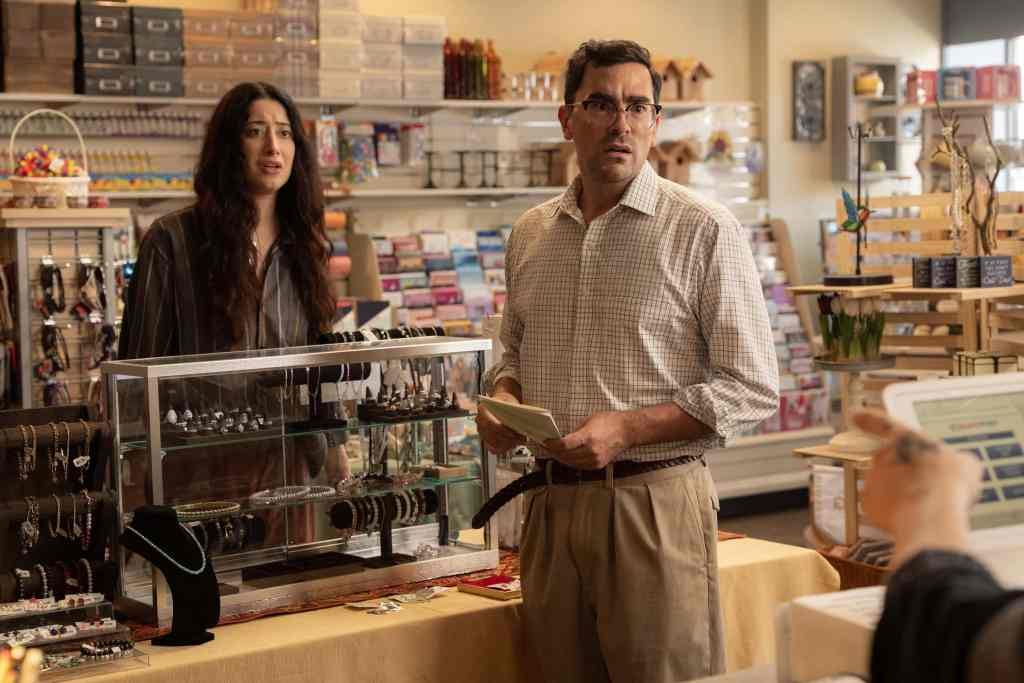
Jordan and I just finished the first season of Big Mistakes (2026), Dan Levy’s new crime comedy show on Netflix, and I really liked it. At the start, Nick (Dan Levy) and his sister Morgan (Taylor Ortega) are sent by their mother to buy a gift for their dying grandmother, but in the process they accidentally get caught up in some shady dealings. The situation spirals from there, becoming more and more chaotic and out of control with every episode. Meanwhile their mom is running for mayor and their younger sister is managing her campaign, Nick is hanging on by a thread as pastor of his church with a secret boyfriend on the side, and Morgan is getting bored of the clingy dude she’s been dating since she was seventeen. The vibes are a perfect balance of high stakes and hilarity, like Weeds meets Good Girls, with the chaotic sibling energy of Schitt’s Creek and the completely unhinged mom from The Bear. I hope there’s a second season because I need to know what happens next.
Haiku round-up
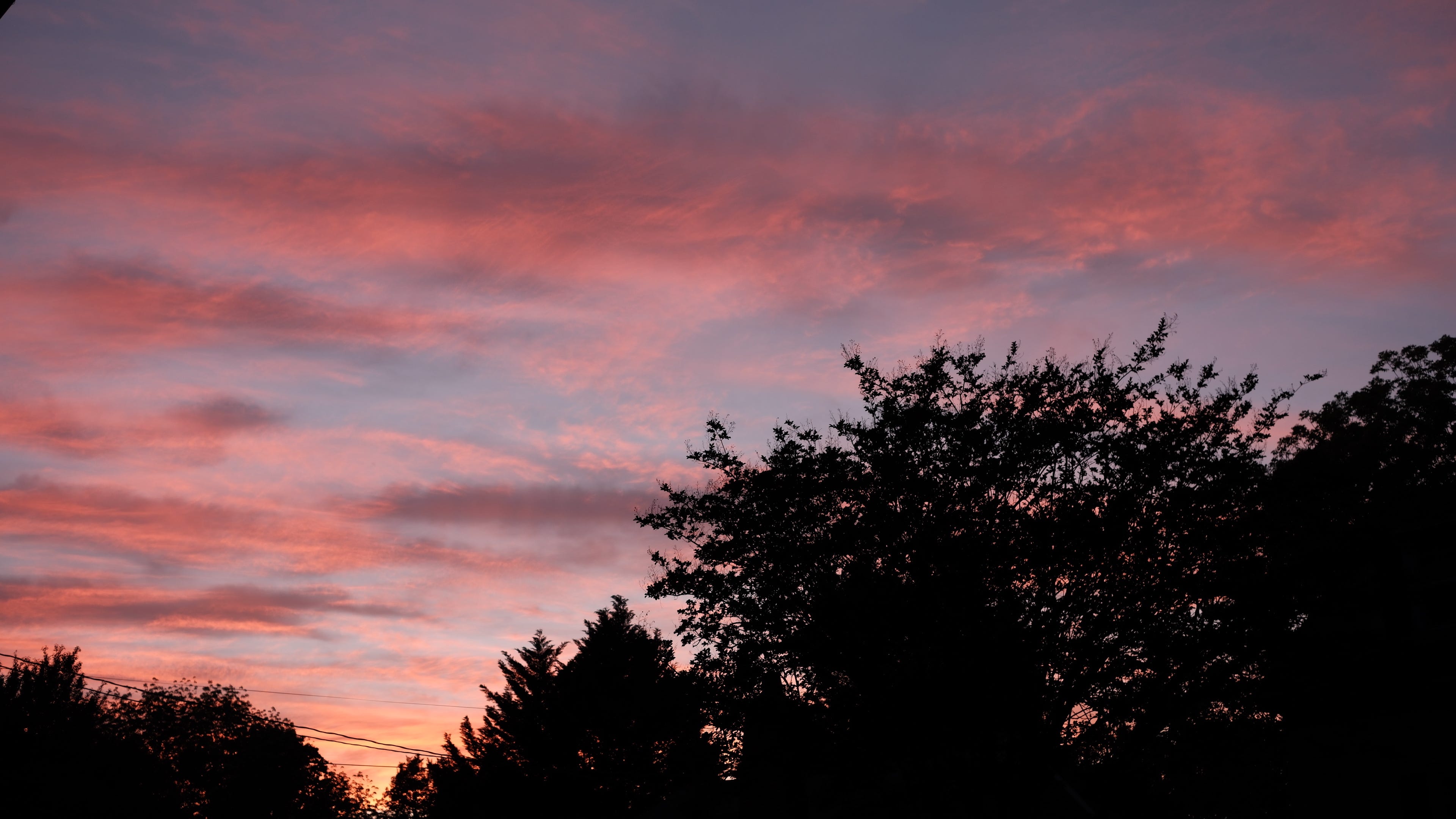
This poetic form, containing seventeen syllables in a five-seven-five pattern, originated in Japan and traditionally includes thematic reference to the seasons. Mine vary in topic, but I’ve been writing one each day since the beginning of 2024 as an exercise in structured creativity. Here are this week’s poems:
Monday, May 4
Impatience nudges
at the body from within:
get up, move around
Tuesday, May 5
Oh, the sweet relief
of reestablished routine,
a balance restored
Wednesday, May 6
Best part of childhood:
lazy afternoon hours
lost inside pages
Thursday, May 7
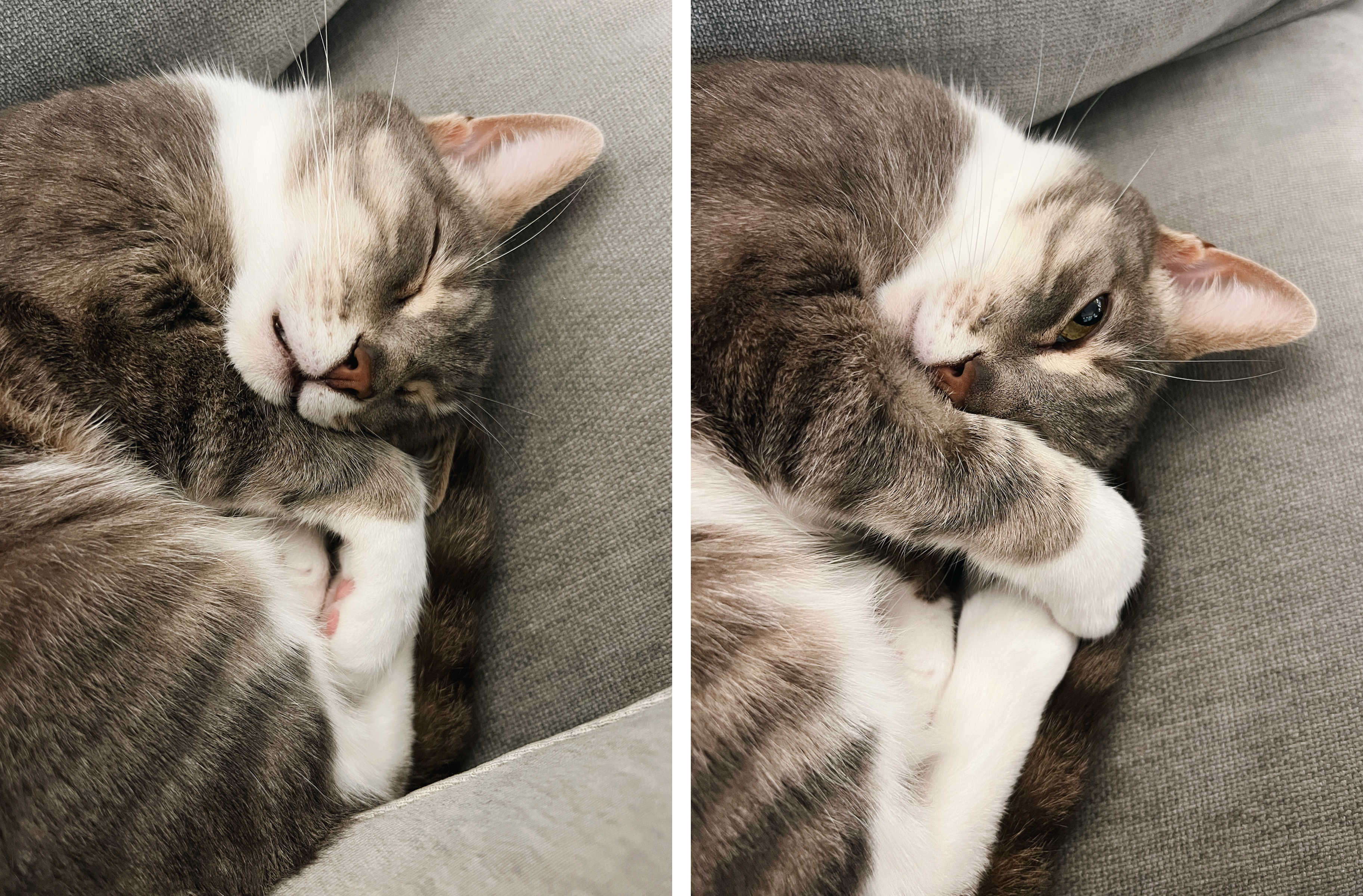
For being too small
and curling up too cutely
you’re under arrest
Friday, May 8
How can one convince
their galloping heart to slow
when it wants to fly?
Saturday, May 9
Trading punny jokes
and layering melodies
We’re improvising
Sunday, May 10
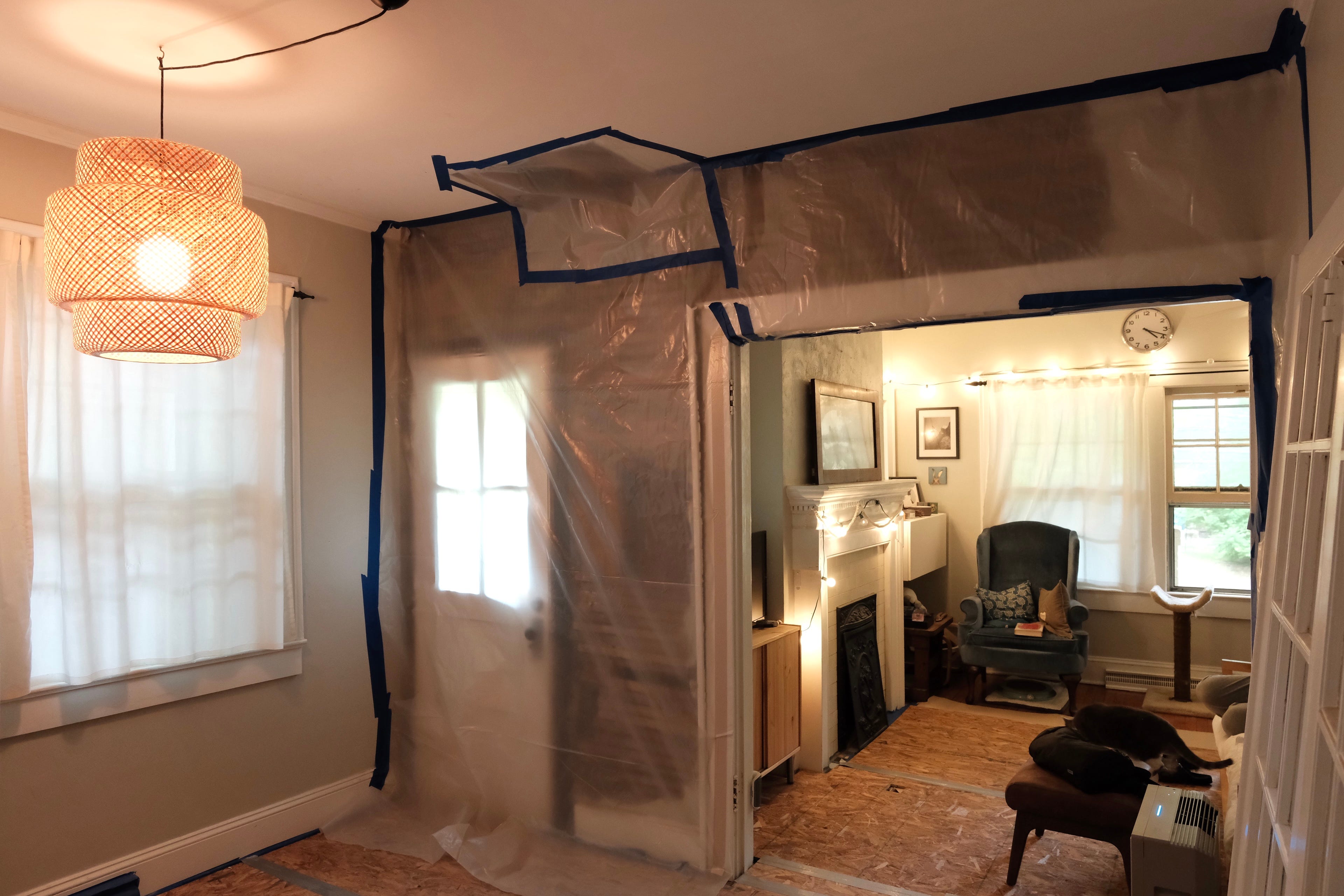
All our belongings
cleared out in preparation
for house surgery
Until next time
We’ve been on a bit of a journey here at our old house. It started with what we thought would be a pretty straightforward water damage remediation project but has since snowballed as other underlying issues have been discovered. Long story short, a crew was here today cutting into the dining room wall to check for wood rot in the support beams, and they had to stop early after finding existing termite damage (unclear if there’s current activity) and roaches living in the wall.
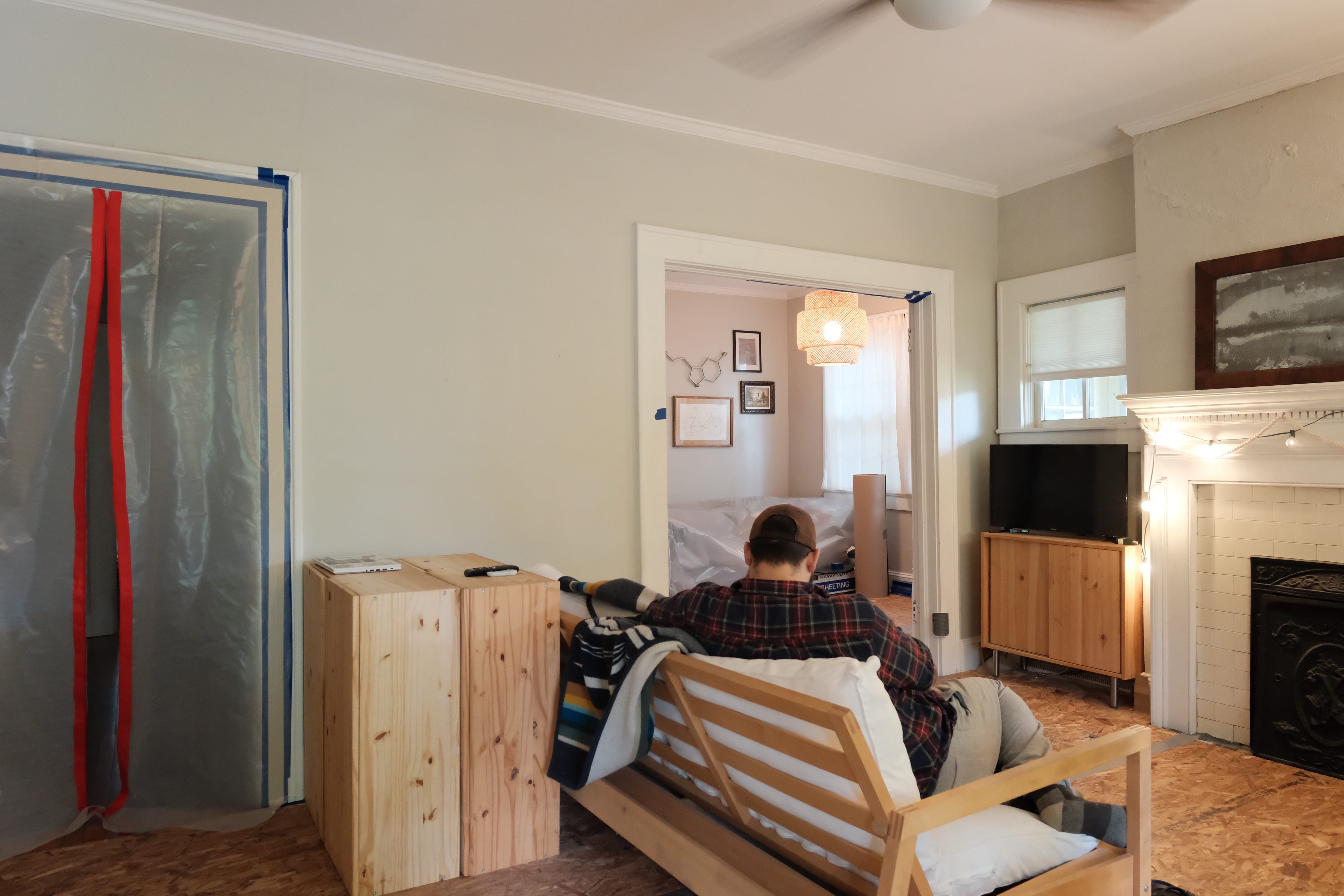
So now we gotta get somebody else in here to do some bug murder, so we can get back to the wall-busting and rotten wood replacing, so at some point we might have a dry and intact home once again. In the meantime, it’s protective plywood on the floors and possessions crammed wherever they’ll fit4 and the futon from the porch brought inside as temporary furniture. And zippered plastic in three different doorways! Moving from room to room right now is like going in and out of a tent. People who camp, you know what I’m talking about.
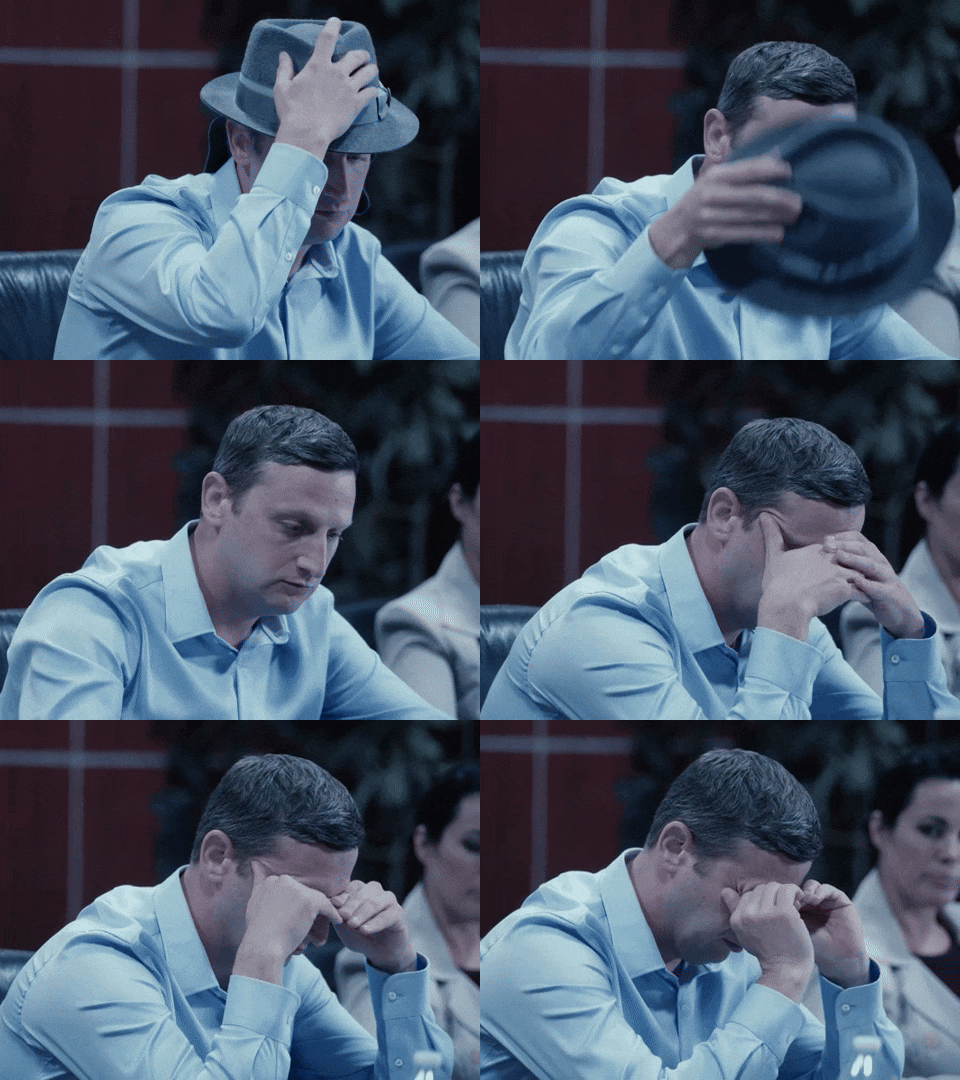
Anyway, on one hand it feels like a lot, and on the other, I have a home and I definitely don’t take that fact for granted. I’m just looking forward to everything being fixed and back where it should be, to not worrying that the ceiling might cave in on us at any moment. 🙏🏼
See you next week, and until then, here’s a montage of people falling down.
♥︎ Emily
P.S. If you especially enjoyed today’s newsletter but a paid subscription isn’t possible:
She still does this. On paper.
The terminology of the time, used throughout the book, is “transvestite” but Todd is careful to note that this is not appropriate for today.
Todd plays with the chronology of these and other real historical events for the sake of the story he’s telling, and an author’s note at the end of the book details these changes.
The coffee table is currently in the middle of our kitchen, for example.
We recently watched Big Mistakes as well and I said to my spouse, what do you think would happen if this mom and the mom from the Bear were in the same room? The world might explode! Also holy cow I hope you get your house sorted soon!